






Richmond Park bulk rubbish collection guide for locals
Posted on 04/09/2026
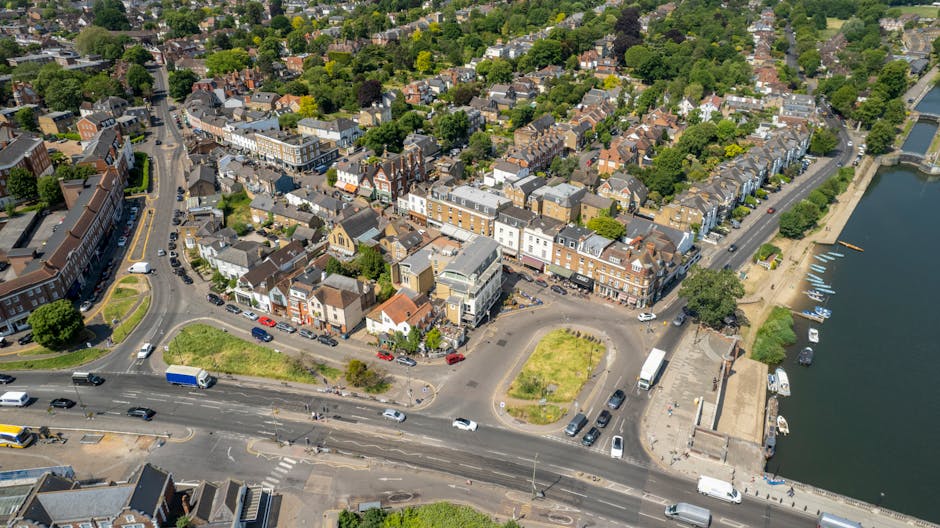
If you live near Richmond Park, you already know how easy it is for clutter to sneak up on you. A shed fills after one gardening season, a spare room becomes storage, and suddenly the old sofa, broken desk, and bagged-up bits from a clear-out are sitting there, taking up space. This Richmond Park bulk rubbish collection guide for locals is here to make that whole process feel much less messy, much less stressful, and far more manageable.
Whether you are preparing for a move, clearing out after renovations, or just trying to reclaim the garage before winter sets in, bulk rubbish collection is usually the quickest way to get large, awkward, or mixed waste removed properly. The trick is knowing what counts as bulk waste, what to separate first, and which disposal route actually makes sense for your situation. Let's walk through it properly.
Why Richmond Park bulk rubbish collection guide for locals Matters
Living near Richmond Park has its own rhythm. You have beautiful open space, busy family homes, garden projects, and the occasional serious decluttering spree. That also means waste builds up in ways that are not always neat or predictable. A few broken chairs here, some dismantled wardrobe panels there, and all of a sudden the pile is too large for a normal bin day.
This matters because bulky rubbish is not just a storage problem. Left too long, it can attract damp, block access, create trip hazards, or simply make a home feel less comfortable than it should. In homes with limited driveway space or tight access, it can also become a logistical headache. You may notice that the longer bulky items sit around, the more awkward they become to handle. Annoying, really.
There is also the local angle. Richmond Park and the surrounding neighbourhoods see a mix of family homes, flats, period properties, and small businesses. Each setting creates a different kind of waste challenge. A landlord clearing between tenancies needs a different plan from a homeowner replacing garden furniture or someone clearing after a renovation. That is why a local guide helps: it turns a vague "we need to get rid of this lot" moment into an organised plan.
For broader service context, it helps to understand the range of support available on the site, including the full services overview and the main rubbish removal service in Richmond upon Thames.
Expert takeaway: the best bulk rubbish collection is not simply the fastest option. It is the option that matches your waste type, access, timing, and how much sorting you want to do yourself.
How Richmond Park bulk rubbish collection guide for locals Works
Bulk rubbish collection is usually straightforward in concept, but the practical details matter. In plain English, it means arranging for large items or a sizeable mixed load to be removed from your property and handled at an authorised disposal or recycling facility. The process may be handled by a council service, a private clearance team, or a specialist waste removal provider.
For local residents, the flow usually looks like this:
- Identify what needs removing.
- Separate reusable items, recyclables, and general waste where possible.
- Check for anything hazardous or restricted.
- Estimate the load size and access conditions.
- Arrange a collection time that fits your schedule.
- Make sure the items are ready to be collected safely.
That sounds simple. It mostly is. But the difference between a smooth collection and a frustrating one often comes down to the prep work. If you have a narrow front path, basement storage, or a shared access area, the team collecting the waste may need clear instructions. A quick note on parking, gate codes, or difficult items can save a lot of back-and-forth.
Bulk rubbish can include old furniture, mattresses, broken household goods, garden debris, renovation offcuts, office contents, and mixed clear-out waste. What it should not include is anything that needs special handling, such as certain chemicals, paint tins, or electrical items mixed in without disclosure. When in doubt, say so early. It is much easier to plan properly than to discover a problem at the kerbside.
If you are dealing with a property clean-out rather than a single large item, the house clearance service and waste clearance option may be more suitable than a one-off pickup.
Key Benefits and Practical Advantages
There is a reason people keep choosing organised bulk collection instead of trying to tackle everything with a hatchback and a hopeful attitude. It just works better. Not glamorous, maybe, but practical.
- Saves time: one collection can remove what would otherwise take multiple trips.
- Reduces physical strain: no dragging heavy furniture through hallways more than once.
- Improves safety: fewer trip hazards, fewer sharp edges, fewer half-finished piles of junk.
- Supports better recycling: sorted waste is easier to direct to the right processing route.
- Helps with property presentation: useful before photos, viewings, or a move-out date.
- Creates mental breathing room: clutter can be strangely draining. Once it is gone, the whole place feels lighter.
There is also a less obvious benefit: decision relief. Many people delay clear-outs because they do not know where to start. A bulk rubbish collection gives the project a deadline and a finish line. That matters more than people admit. Once the date is fixed, the rest gets easier.
For residents thinking about sustainability, it is worth reading the site's recycling and sustainability information. It helps you think about disposal in a more responsible way, which, to be fair, is the direction most people want to go in anyway.
Who This Is For and When It Makes Sense
Bulk rubbish collection is not just for dramatic house clear-outs. In everyday life, it helps a wide range of locals.
- Homeowners clearing old furniture, broken appliances, or loft contents.
- Renters who need to leave a property tidy at the end of a tenancy.
- Landlords dealing with abandoned items or post-tenancy clutter.
- Families making room for children's rooms, home offices, or new furniture.
- Garden owners with branches, soil, fencing offcuts, or old planters.
- Renovators who have accumulated mixed building debris.
- Small businesses clearing stock rooms, desks, and office furniture.
It also makes sense when your waste is too large, too awkward, or too much for routine disposal. For example, one old wardrobe is one thing. A wardrobe, bed frame, mattress, broken shelves, and several black bags of miscellaneous bits from the loft? That is bulk waste territory.
If you are preparing a property for sale or rent, you might also find the local articles on residential sales in Richmond and smart real estate purchases in Richmond useful for thinking through timing and presentation.
Step-by-Step Guidance
Here is the part most readers actually need: what to do, in order, without overthinking it.
1. Walk through the space slowly
Do a proper scan of the garage, shed, loft, spare room, or garden corner. You will usually spot more than you expected. Look for bulky pieces, mixed waste, and anything that can be separated for reuse.
2. Sort by type, not just by room
Keep furniture, wood, green waste, general household items, and anything possibly hazardous apart. This helps a collection team plan the right method, and it also makes recycling easier.
3. Set aside valuables and donate-able items
That lamp you thought was junk? Someone else may still want it. If an item is genuinely usable, remove it from the waste pile before collection day. Once it is mixed in, it is much harder to recover.
4. Check access and parking
Bulky items are one thing. Moving them through a tight hallway or down narrow steps is another. Think about the route from the item to the collection point. If there is anything awkward, say so. The work goes faster when no one is improvising in the middle of the job.
5. Confirm what is and is not included
Not every service handles every item type the same way. If you have mattresses, fridges, paint, rubble, or mixed garden waste, mention it clearly. A small clarification now can prevent a bigger problem later.
6. Prepare items for safe removal
Where possible, flatten boxes, remove loose shelves, tie up lightweight waste, and clear a path. Do not overdo it. You are making the job smoother, not turning yourself into a one-person removal crew.
7. Get the collection done and do a final sweep
Once the waste is removed, check corners, behind doors, and under stairs. There is always one forgotten thing. Always.
For people dealing with more specialist loads, such as construction debris, the dedicated builders waste disposal service may be the better fit. Garden-heavy jobs are often better matched with garden waste removal.
Expert Tips for Better Results
A few small decisions can make the whole thing smoother. These are the kind of details that people only learn after doing this once or twice.
- Photograph the pile before collection. It helps with planning and avoids confusion if the load is mixed.
- Keep recyclables visible. Cardboard, metal, and clean wood are easier to separate when they are not buried under general clutter.
- Be clear about urgency. If you need same-day support, say so as early as possible. Timing changes everything.
- Use a "keep, donate, remove" system. Three simple groups, no drama.
- Avoid last-minute additions. The collection window is not the time to discover the old treadmill in the basement.
If you need speedy support, the same-day example on rubbish removal in Richmond Hill TW9 gives a good sense of how fast turnarounds can help when a deadline is looming.
Another useful tip: if you are clearing a home around a move, start with the least sentimental areas first. The utility room, shed, and spare storage nook are easier wins than the box of old photos you forgot existed. Momentum matters.

Common Mistakes to Avoid
Bulk rubbish collection usually goes wrong for one of a few predictable reasons. None of them are dramatic, but they can be expensive in time and effort.
- Mixing different waste types blindly: not everything can be treated the same way.
- Leaving sorting until the last minute: this is how jobs become chaotic.
- Assuming all large items are accepted: some items need special handling.
- Ignoring access problems: narrow stairs and blocked entrances slow everything down.
- Forgetting about parking or loading space: a simple but common snag.
- Underestimating how much there is: the pile is almost always bigger than you first think.
One local mistake is treating a collection like a one-off errand rather than part of a wider clear-out. If you are also changing tenancy, selling a property, or preparing for a move abroad, the waste removal should be built into the timeline, not left hanging around at the end like an afterthought.
That is where the planning advice in how to organise and clear your house to move abroad can be surprisingly helpful, even if you are not going anywhere near an airport.
Tools, Resources and Recommendations
You do not need fancy equipment for a good bulk collection, but a few simple tools make life easier.
| Tool or resource | Why it helps | Best for |
|---|---|---|
| Basic gloves | Protects hands while sorting rough or dusty items | Loft, shed, and garden clear-outs |
| Marker labels | Makes sorting faster and clearer | Mixed rooms and staged clear-outs |
| Strong refuse sacks | Helps contain lightweight mixed waste | Small items, soft furnishings, household odds and ends |
| Phone camera | Useful for documenting the load before collection | Quoting and planning |
| Measuring tape | Helps estimate bulky item size and access constraints | Furniture, panels, awkward storage spaces |
In terms of service planning, start by reviewing the site's pricing and quotes information. That helps set expectations around how rubbish volumes, waste type, and access can affect the overall cost. You do not need to know every detail upfront, but you do need a realistic picture.
If the removal involves office furniture or equipment, the office clearance service is worth considering. And for readers who want a broader sense of the company's standards and approach, the about us page and insurance and safety information are sensible places to look.
Law, Compliance, Standards, or Best Practice
Waste disposal in the UK comes with responsibilities, and although you do not need to become a legal expert to arrange a collection, it helps to understand the basics. The key idea is simple: your waste should be handled by people who know how to move, sort, and dispose of it properly. That is especially important for anything that could be hazardous, restricted, or recyclable.
As a local resident, best practice is to check that the service you use is clear about how waste is collected and where it goes. Good operators should be able to explain handling, safety, and the general approach to recycling without making everything sound mysterious. If an answer feels vague, ask again. Straight answers are a good sign.
Be careful with items that may need specialist treatment, such as certain electrical items, sharp materials, liquids, or anything contaminated. Also, do not assume that "just leaving it out" is enough. In shared streets or near park-adjacent properties, untidy waste can create nuisance or get in the way of neighbours. Nobody wants that conversation over the hedge.
For additional trust signals, you can review the site's terms and conditions, privacy policy, payment and security details, and modern slavery statement. Those pages do not remove the need for common sense, but they do help you assess the company's seriousness.
Options, Methods, or Comparison Table
There is more than one way to deal with bulky rubbish. The best choice depends on time, volume, item type, and how much lifting you want to do yourself.
| Method | Best for | Pros | Trade-offs |
|---|---|---|---|
| Council-style bulky collection | Single or limited large items | Simple for smaller jobs, often predictable | May have stricter booking rules and item limits |
| Private bulk rubbish collection | Mixed loads, tight deadlines, awkward access | More flexible, often faster | Cost can vary depending on load and access |
| Full house or property clearance | Large-scale clear-outs | Best for decluttering entire rooms or properties | Can be more than you need for a small job |
| DIY disposal | Very small loads and repeated trips | Full control, useful for tiny amounts | Time-consuming, physically tiring, often less efficient |
In most Richmond Park area situations, the decision comes down to this: if the waste is bulky but manageable, a direct rubbish collection is often enough. If the property is being emptied room by room, then a full clearance is usually the cleaner choice. And if the waste is mostly from landscaping or pruning, a garden-specific service usually fits better.
Case Study or Real-World Example
Picture a local family in a terrace near Richmond Park after a long-overdue loft clear-out. The space had filled with broken toys, an old desk, a disassembled wardrobe, Christmas decorations, and a stack of bagged items that never quite made it to the charity pile. Nothing dangerous, just a lot of "we'll deal with that later." You know how it goes.
They started by splitting the contents into three groups: keep, donate, and remove. A couple of items were worth passing on. The rest were bulky enough that trying to fit them into regular bins would have been pointless. They measured the access route from the loft hatch to the front entrance, checked for anything awkward, and booked a collection with enough detail to avoid surprises.
The result was not just a cleaner loft. It changed the feel of the whole house. The hallway was clear, the upstairs air felt less stale, and the family could finally use the spare room properly. No drama. No second guesswork. Just a finished job and a bit more breathing room.
That is the thing with rubbish clearance: the visible result is one pile disappearing, but the real result is the space you get back. The peace of mind is not a small bonus either.

Practical Checklist
Use this checklist before your collection day. It keeps things calm, which is always nice.
- Walk through the property and identify all bulky waste.
- Separate items you want to keep, donate, recycle, or remove.
- Check whether any items need special handling.
- Take a few photos of the waste pile if helpful.
- Measure awkward items or tight access points.
- Clear a path to the collection area.
- Confirm parking, entry, and timing arrangements.
- Label anything that should not be taken.
- Put aside valuables, documents, and personal items.
- Do one final sweep after the load is removed.
If you are looking for the right service match, it can help to compare the main site options again on the services overview page. Simple enough, but surprisingly useful.
Get a free quote today and see how much you can save.
Conclusion
A good Richmond Park bulk rubbish collection does not have to be complicated. The best results usually come from simple preparation, honest item descriptions, and choosing the right type of service for the job. Once you know what needs moving and how it will be accessed, everything becomes much easier.
For locals, the real value is not just getting rid of clutter. It is getting your home, garden, office, or rented space back into a state that feels usable again. That is worth doing properly, not rushed and not guessed. And if the pile looks bigger than you expected, well, that happens to nearly everyone.
Start with a clear plan, keep your sorting sensible, and choose a collection method that fits your property rather than forcing the property to fit the waste. Bit by bit, that old mess turns into a clean slate. And that's a good feeling, honestly.


 Tipper Van - Waste Removal and Rubbish Removal Prices in Richmond upon Thames, TW9
 Luton Van - Waste Removal and Rubbish Removal Prices in Richmond upon Thames, TW9